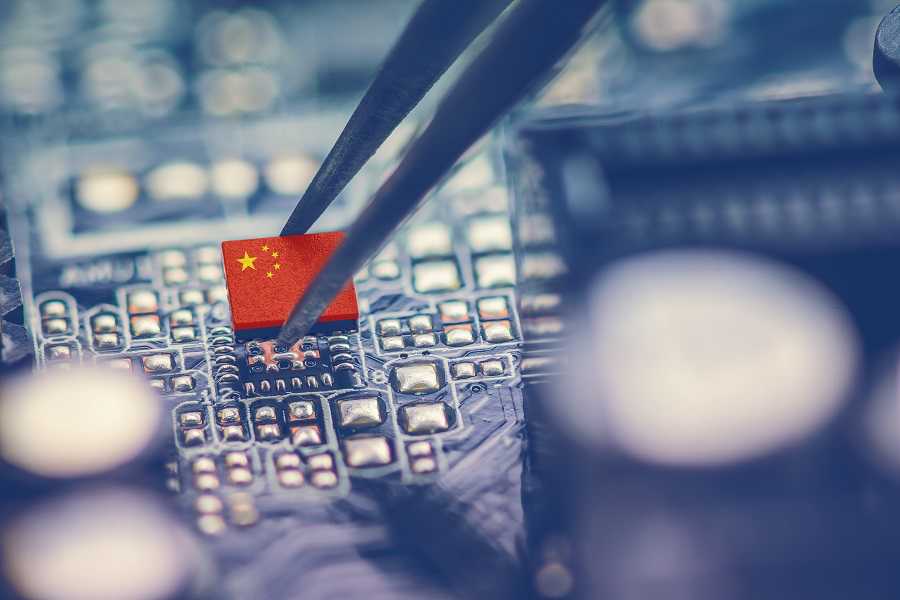
Corporate global strategic adjustment: Changes in business layout: IBM may reconfigure its R&D resources according to its global business development strategy. For example, shifting the focus of R&D to other regions with more potential or cost advantages in order to adapt to market and technology trends. For example, the company may believe that certain regions have better innovation ecosystems, talent pools or policy support in specific technology areas, and thus make the decision to withdraw from the China R&D department.
Cost Control Considerations: Operating costs are an important factor in business decisions. Although China has a large number of excellent technical talent, but in recent years China's labor costs, office space and other operating costs are also rising. If IBM believes that the cost of R&D in China is too high and cannot match the expected benefits, it may choose to transfer the R&D work to relatively low-cost countries or regions, such as India, in order to improve the overall cost-effectiveness .
International political and economic environment factors:

Image Source: Sourced from the Internet
Trade friction impact: The current international trade environment is complex and volatile, and the trade friction between China and the United States may have a certain impact on IBM's business. Trade restrictions and policy uncertainties may lead to many challenges for enterprises in cross-border operations, such as limited market access and technology transfer restrictions. In order to avoid these risks and uncertainties, IBM may choose to adjust its business layout in China .
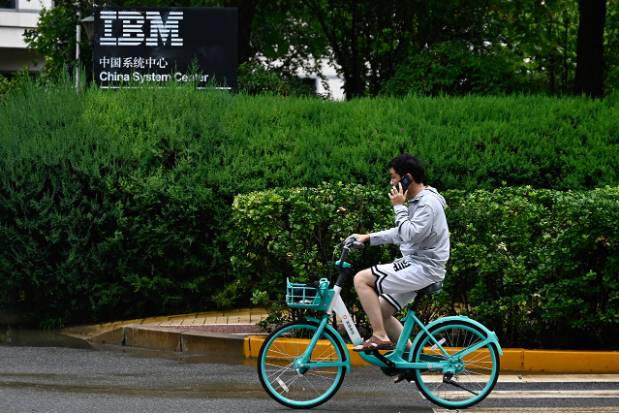
Image Source: Sourced from the Internet
Data security and privacy regulation: With the increasing global emphasis on data security and privacy protection, countries have strengthened their regulatory efforts in related areas. In China, there are also a series of strict data security and privacy protection regulations. If IBM believes that the cost of meeting these regulatory requirements in China is too high, or if it is concerned about possible compliance risks in data processing and transmission, it may affect its confidence in continuing its R&D business in China.
Image Source: Sourced from the Internet
Industry Competition and Technology Development:
Competition in the Cloud Computing Market is Intense: Competition in emerging technologies such as cloud computing is exceptionally intense. Technology giants such as Amazon, Microsoft and Alibaba are vigorously developing their cloud computing business, and market share is fiercely contested. ibm's development in the field of cloud computing is relatively lagging behind, and IBM may face the predicament of market share being squeezed and business growth being weak. In order to focus resources to enhance the competitiveness of cloud computing and other key technology areas, IBM had to adjust the global R & D layout, including the withdrawal of some of the R & D resources in China to increase R & D investment in other regions and market expansion efforts.
Demand for technological innovation: The technology industry develops rapidly and technology is updated frequently. In order to maintain a leading position in technological innovation, companies need to continuously invest a lot of resources in R & D. IBM may think that the R & D team in China can not meet its innovation needs for specific cutting-edge technologies, or in other regions to better integrate innovation resources and attract top technical talent, thus making the decision to withdraw from the R & D department in China.
In short, IBM's withdrawal from China and layoffs is a complex decision, subject to a combination of factors. This incident also reflects the current dynamic changes in the global technology industry and the competitive situation, as well as the international political and economic environment on the impact of multinational operations. For China, on the one hand, we need to pay attention to the short-term impact of such events on employment and industrial development, and take corresponding measures to cope with them; on the other hand, we should also continue to strengthen our own scientific and technological innovation capacity, cultivate and attract more outstanding scientific and technological enterprises and talents, and promote the sustained and healthy development of the science and technology industry.