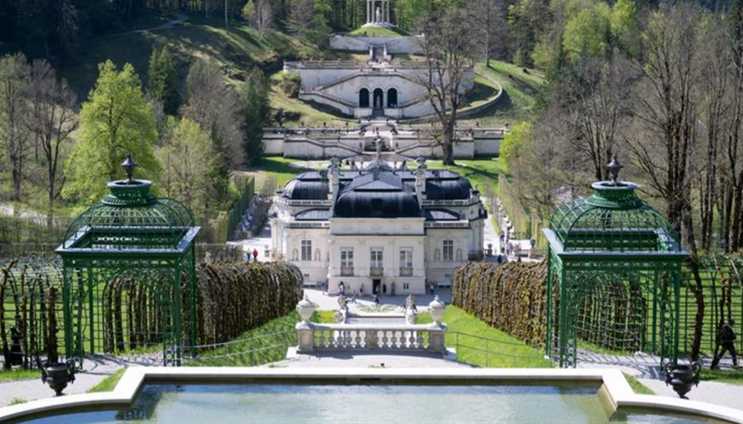
On July 12, the UNESCO World Heritage Committee officially inscribed four iconic palaces built by Bavaria’s King Ludwig II onto the prestigious World Heritage List. The ensemble includes Neuschwanstein Castle, Herrenchiemsee Palace, Linderhof Palace, and the Schachen Royal Lodge, celebrated for their visionary architecture and cultural significance. Maria Böhmer, President of Germany’s UNESCO Commission, hailed them as “architectural masterpieces that reflect both the artistic imagination of the Fairy-Tale King and his unconventional genius”
Commissioned in the late 19th century, these palaces represent Ludwig II’s lifelong quest to create immersive fantasy worlds. Neuschwanstein, inspired by Richard Wagner’s operas like Lohengrin and Tristan und Isolde, features soaring turrets and murals depicting medieval legends, while Herrenchiemsee emulates Versailles’ grandeur with a Hall of Mirrors surpassing the French original by 22 meters. Linderhof, the only completed palace during Ludwig’s lifetime, blends Rococo opulence with Orientalist elements like the Moorish Kiosk, while the Schachen Royal Lodge offers a Alpine retreat with a gilded Turkish Hall. UNESCO notes that these structures “transcend mere architecture, embodying a 19th-century fascination with recreating historical and exotic realms through art and technology”.
Ludwig II’s projects, funded by personal wealth rather than state coffers, were criticized as impractical during his reign. Yet their fusion of Wagnerian mythology, Baroque revivalism, and cutting-edge engineering—such as Neuschwanstein’s hydraulic systems—now earns them recognition as “unique testaments to Romanticism’s clash with industrial modernity”. The palaces’ unfinished state, like Herrenchiemsee’s incomplete 70-room complex, underscores Ludwig’s tragic inability to reconcile his artistic dreams with political reality.
Already drawing over 1.5 million visitors annually, Neuschwanstein alone is projected to see a 20–30% surge in tourism post-designation4. Bavaria plans to manage this influx through sustainable measures, including timed entry slots and green infrastructure investments like solar-powered visitor centers. The state’s €500 billion infrastructure fund will support projects such as climate-resilient pathways at Neuschwanstein, ensuring preservation aligns with the EU’s environmental goals.
UNESCO highlights the palaces’ role in shaping global cultural imagination, from Disney’s Sleeping Beauty Castle to modern theme park design. Bavarian Premier Markus Söder celebrated the decision as “a fairy tale come true,” emphasizing their status as “symbols of Bavaria’s identity and a bridge between past and present”. With this designation, these architectural marvels join Germany’s 54 other World Heritage sites, securing their place as timeless emblems of human creativity and the enduring allure of fantasy.
As UNESCO’s assessment concludes, Ludwig II’s palaces are “not merely buildings but living narratives—stone embodiments of a king’s dream to transcend reality, inviting audiences to lose themselves in the magic of bygone eras”.