Genetic Flaws and Global Popularity: The Controversial Legacy of Scottish Fold Cats


Feline News
Genetic Flaws and Global Popularity: The Controversial Legacy of Scottish Fold Cats

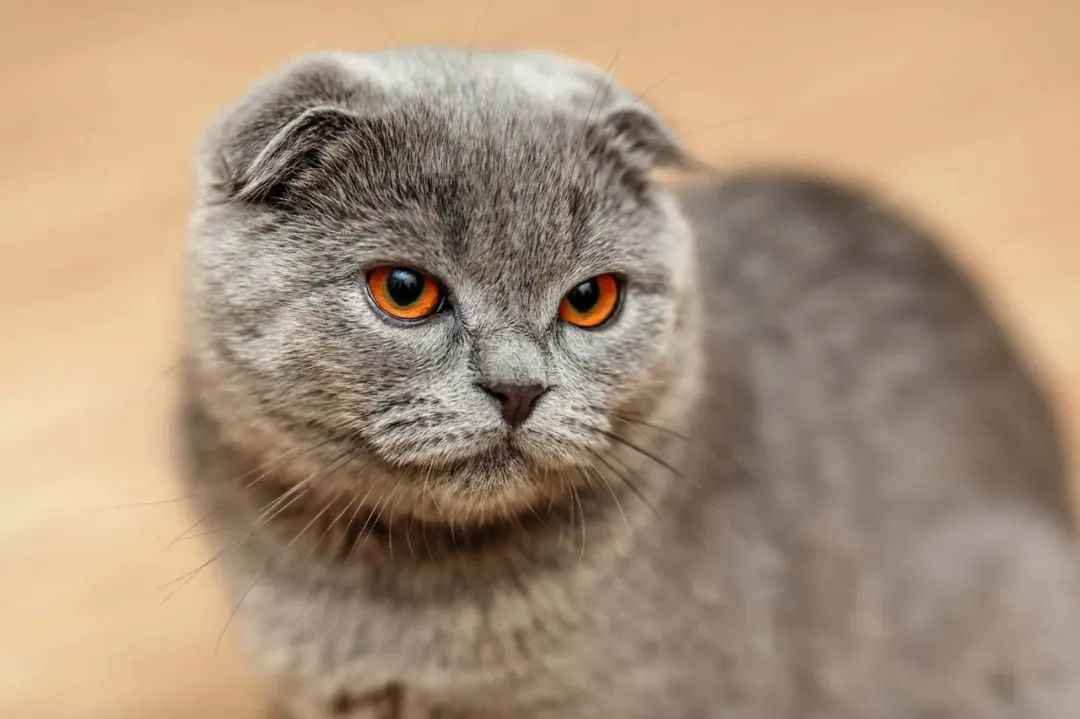
In recent years, the Scottish Fold cat has become an internet sensation, celebrated for its distinctive folded ears and owl-like appearance. However, behind the adorable facade lies a dark reality rooted in genetic abnormality and ethical debate. This breed, born from a spontaneous mutation in a Scottish barn cat named Susie in 1961, has sparked global controversy over its health implications and breeding practices.

The fold in the cat’s ears is caused by a dominant genetic mutation affecting cartilage development, leading to osteochondrodysplasia—a condition that causes chronic joint pain, bone deformities, and progressive arthritis 310. Scientific evidence confirms that all Scottish Folds, whether homozygous or heterozygous for the fold gene, suffer from varying degrees of this incurable disease. Symptoms range from stiff tails and shortened limbs to debilitating lameness, often forcing owners to consider euthanasia due to unbearable pain 311.


Despite these risks, the breed’s popularity surged, fueled by celebrity ownership. Stars like Taylor Swift and Ed Sheeran, who frequently feature their Scottish Folds on social media, inadvertently amplified demand 18. This trend has drawn criticism from animal welfare groups, including the British Veterinary Association, which calls for a breeding ban, and Germany, which classifies the practice as "torture breeding" (Qualzucht) 78.
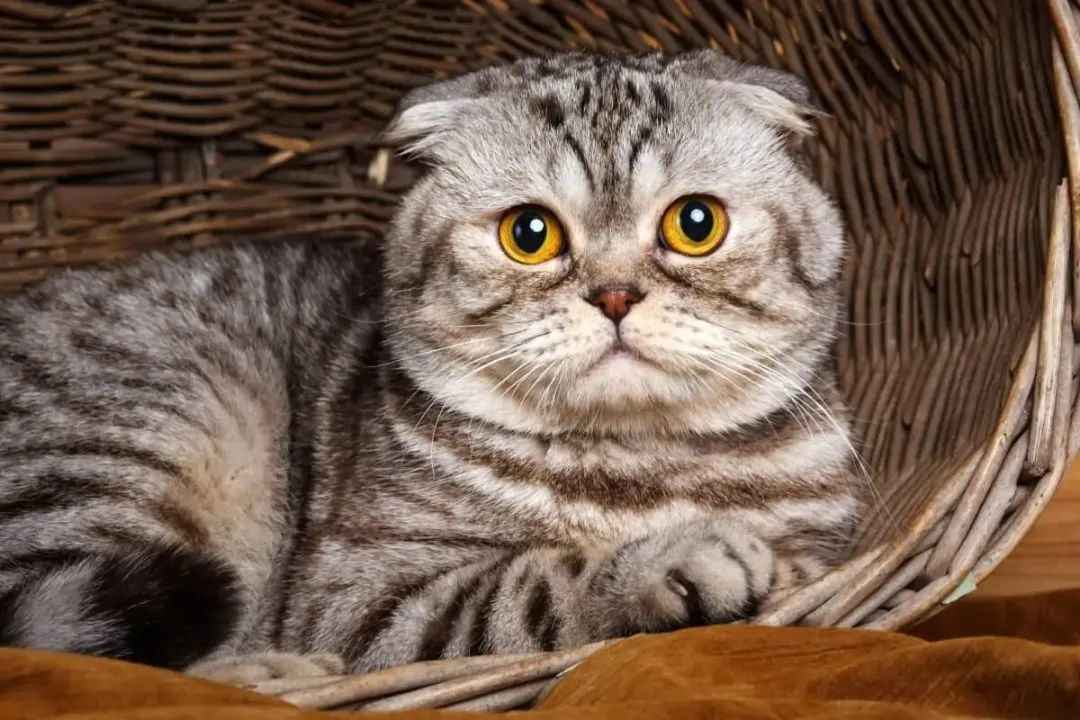
 

Source: Images from the Internet, if there is any infringement, please contact the removal of


Breeding guidelines attempt to mitigate risks by pairing Scottish Folds with straight-eared cats like British Shorthairs. However, even heterozygous kittens face lifelong health challenges. The Governing Council of the Cat Fancy (GCCF) banned breed registration in the 1970s, yet the breed remains recognized by other organizations, perpetuating its existence 412.


The Scottish Fold’s story underscores a broader crisis in pedigree breeding, where aesthetics often override animal welfare. While some argue for responsible ownership and veterinary care, critics emphasize that the breed’s very existence is inherently unethical. As awareness grows, calls to phase out Scottish Fold breeding are gaining traction, urging consumers to adopt rescue cats instead 18.


In 2025, the average cost of a Scottish Fold kitten ranges from $500 to $3,000, reflecting both its rarity and the ethical compromises embedded in its creation 9. For now, the breed’s future hangs in the balance, caught between adoration and condemnation—a poignant reminder of the price paid for human desire.
Latest Stories
Sports News1 minute readThe Scalo Romana Olympic Village is set to welcome athletes for this winter’s games, having been completed in 900 days—one month ahead of schedule, according to Designboom. The milestone marks a key step in preparations for the Milano Cortina 2026 Winter Olympics.
Industry News2 minute readSan Francisco, July 21, 2025 — Apple Inc. has filed a high-stakes trade secret lawsuit in the Northern District of California against prominent tech YouTuber Jon Prosser and his associate Michael Ramacciotti, accusing the pair of accessing Apple employees' internal developer iPhones to leak confidential details about the unreleased iOS 26 operating system.
Feline News1 minute read[Nashville, July 18th] —— The Tennessee Rex, a uniquely American cat breed celebrated for its naturally curly fur, is gaining recognition among pet enthusiasts worldwide. This distinctive feline traces its origins to a chance discovery in 2004 in Tennessee, where a stray cat gave birth to a litter containing a kitten with unusually soft, curly hair—a natural genetic mutation that marked the breed's beginning.
Sports News1 minute readWith three years to go until the 2028 Los Angeles Olympics, the U.S. government and California lawmakers are ramping up preparations. On July 4, President Donald Trump signed H.R. 1, the "One Beautiful Act," allocating $1 billion to the Federal Emergency Management Agency (FEMA) for Olympic-related security, planning, and operational costs . This marks the largest federal investment in Olympic security since the 2002 Salt Lake City Games, reflecting concerns over potential threats and logistical complexities.
Feline News1 minute readThe Cheetoh cat, a relatively new and increasingly popular feline breed, has been turning heads in the pet world with its striking appearance and engaging personality. Developed in the early 2000s through the intentional crossbreeding of Bengal cats and Ocicats, the Cheetoh was crafted to combine the exotic spotted coat of wild felines with the gentle temperament of domesticated breeds.
Sci-Tech News1 minute readThe U.S. Department of Defense (DoD) announced on July 14 it has awarded up to $200 million in AI contracts to OpenAI, Google parent company Alphabet, Anthropic, and xAI, aiming to accelerate the deployment of advanced AI capabilities across national security systems. The contracts, managed by the DoD’s Chief Digital and AI Office (CDAO), will fund the development of "agentic AI workflows" to address critical defense challenges, including cybersecurity, intelligence analysis, and operational decision-making .
Industry News2 minute readNintendo has announced the second iteration of its Switch Online Playtest Program, opening applications on July 18th to 40,000 Switch Online + Expansion Pack members for a closed beta of an unannounced online service. This marks a significant expansion from the 10,000 participants in the 2024 trial, quadrupling the user base to gather broader feedback ahead of a potential full launch. The test will run from July 29th to August 11th, 2025, and supports both the current Nintendo Switch and the upcoming Switch 2, signaling strategic alignment with the next-gen console’s launch plans .