Genetic Trait Explains Why Deodorant Sells Less in East Asia


Social News
Genetic Trait Explains Why Deodorant Sells Less in East Asia

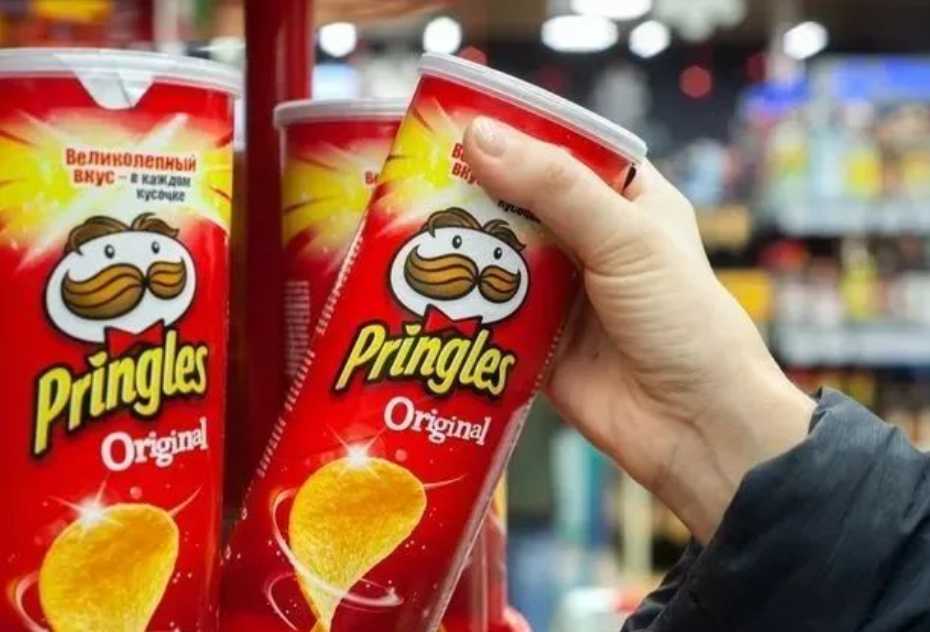
A curious trend exists: deodorants are top sellers in Western countries with mostly white populations but struggle in East Asia, where most people are of East Asian descent. The reason lies in biology—East Asians are less likely to have body odor, thanks to a specific gene.

The key is the ABCC11 gene, which helps mask body odor. Studies show only about 2% of Europeans carry this gene, while it is widespread among East Asians. In South Korea, the absence of ABCC11 is extremely rare, affecting just 0.006% of the population.


This genetic difference stems from how sweat glands function. Those without the ABCC11 gene produce sweat that, when broken down by bacteria, emits a stronger odor. For East Asians with the gene, such odor is far less noticeable.


As a result, deodorant use is not a daily necessity in East Asia. Stores stock fewer options, and marketing focuses less on odor control compared to Western markets, where it’s a personal care staple.

Latest Stories
Industry News1 minute readMicrosoft has recently halted the rental and purchase of movies and TV shows through Xbox consoles and the Microsoft Store on Windows PCs, according to the company’s newly updated support page and multiple news reports.
Industry News1 minute readMicrosoft and the U.S. Idaho National Laboratory (INL) announced a partnership on July 16 to use AI in new nuclear plant licensing, aiming to drastically shorten the process. The move responds to Trump’s executive order to cut nuclear licensing to 18 months, addressing growing energy demands from AI data centers.
Feline News1 minute readThe Thai cat, also known as the Siamese cat, is one of the oldest cat breeds in the world, with a history dating back hundreds of years to Siam (now Thailand). In ancient times, these cats were treasured as gems of royal families and temples, symbolizing good fortune and divinity, and were even forbidden to be kept by commoners.
Sci-Tech News1 minute readOn July 15, Donald Trump attended the inaugural "Energy and Innovation Summit" in Pittsburgh, Pennsylvania, announcing a $9.2 billion investment plan to turn the state into a U.S. hub for energy, AI, and innovation. It marks the largest investment in Pennsylvania’s history, covering data centers, power infrastructure, and AI training, with over 9,000 jobs expected. Twenty major firms, including Google, Blackstone, and FirstEnergy, are participating.
Sports News1 minute readThe organizing committee of Italy’s Milan-Cortina d’Ampezzo Winter Games is confronting a severe financial crisis, with a total funding gap of 310 million euros amid rising costs and underperforming revenues. The International Olympic Committee has firmly refused to offer additional financial aid, stressing that the host committee bears full fiscal responsibility for all operational losses.
Feline News1 minute readReportedly, the Dwelf cat, an emerging and distinctive feline breed, is gaining attention from cat enthusiasts worldwide due to its highly recognizable appearance and gentle temperament. This unique breed is a result of careful crossbreeding between the Sphynx, Devon Rex, and American Curl, combining the typical characteristics of these three breeds.
Sports News1 minute readWith the 2026 Milano Cortina Winter Olympics approaching, full schedules for Winter Sports World Cups and qualifying events are now available. The newly updated Sports Observer calendar includes 699 exclusive events for 2025 and 2026, plus select major competitions through 2034, serving as a key resource for athletes and fans.