Rare Nebelung Cat Breed: Origins, Characteristics, and Care Guide


Feline News
Rare Nebelung Cat Breed: Origins, Characteristics, and Care Guide

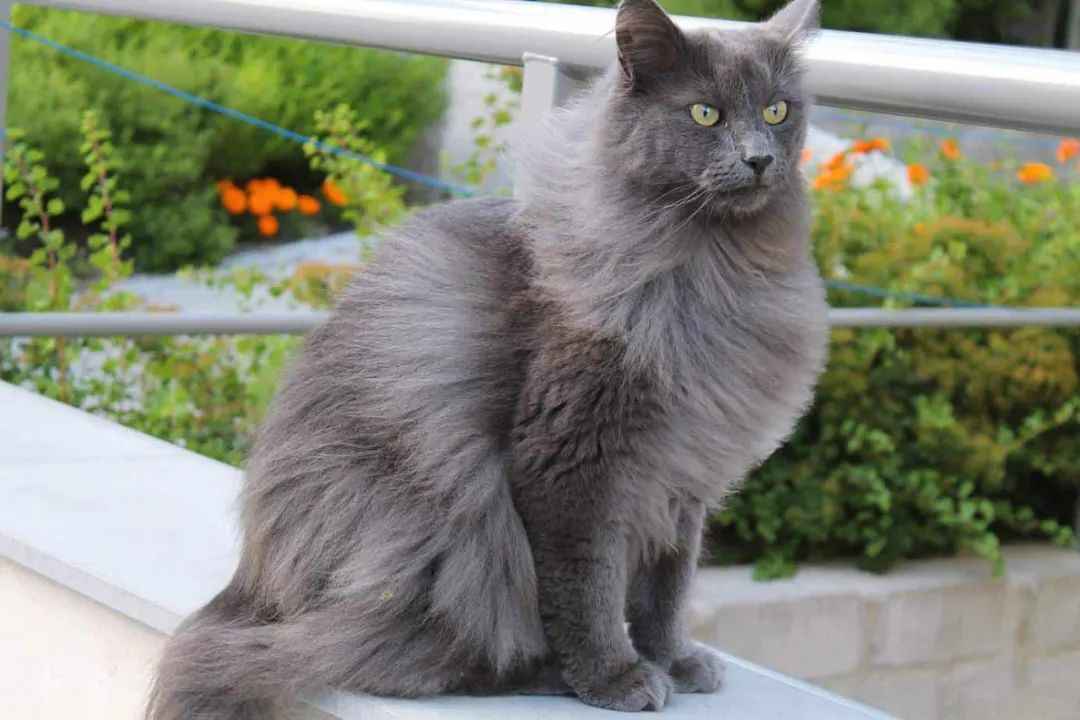
The Nebelung, a captivating feline often mistaken for the Russian Blue, is a rare breed celebrated for its striking appearance and gentle demeanor. Originating in the U.S. during the 1980s, this breed emerged from intentional crossbreeding to replicate the elegance of Victorian-era long-haired blue cats. Named after the German word "nebel" (meaning "mist"), the Nebelung’s silvery-tipped blue-gray coat evokes a misty aura, while its green or yellow-green eyes add to its enigmatic charm.

Origins and Recognition

In 1984, Colorado-based breeder Cora Cobb discovered two blue longhair kittens—Siegfried and Brunhilde—born from a Russian Blue and black domestic cat mix. Their offspring inherited a dense, shimmering double coat, prompting Cobb to collaborate with geneticist Solveig Pfleuger. By 1987, the International Cat Association (TICA) officially recognized the Nebelung as a distinct breed. Despite its rarity, the breed has gained admiration for its unique blend of Russian Blue heritage and long-haired allure.

Physical Traits

Nebelungs are medium-sized cats with a graceful, muscular build. Males weigh 10–14 pounds, while females average 7–9 pounds. Their semi-long, silky fur—thickest around the neck, tail, and legs—features silver-tipped guard hairs that glisten in light, earning them the nickname "creature of the mist". Large, pointed ears and almond-shaped eyes (ranging from vivid green to yellow-green) complete their regal appearance. The coat reaches full maturity at two years, requiring weekly brushing to maintain its luster.

Temperament and Care

Known for their quiet, affectionate nature, Nebelungs bond deeply with their families but may be shy around strangers. They thrive on routine and enjoy interactive play, often displaying dog-like loyalty by following their owners attentively. While adaptable to indoor life, they benefit from early socialization to ease transitions.


Health-wise, Nebelungs are generally robust, with a lifespan of 11–18 years. However, owners should monitor weight to prevent obesity—a risk linked to arthritis and diabetes. Veterinarian Donna Raditic advises portion-controlled meals and limiting treats to 10% of daily calories. Dental care is also crucial; daily brushing and high-protein diets help prevent periodontal disease.

Conclusion

The Nebelung’s rarity and captivating beauty make it a sought-after companion for dedicated owners. Whether admired for its mist-like coat or cherished for its devoted personality, this breed embodies a harmonious blend of elegance and warmth. Prospective owners are encouraged to consult reputable breeders and prioritize veterinary guidance to ensure their Nebelung thrives in a loving home.

Latest Stories
Sports News1 minute readThe Scalo Romana Olympic Village is set to welcome athletes for this winter’s games, having been completed in 900 days—one month ahead of schedule, according to Designboom. The milestone marks a key step in preparations for the Milano Cortina 2026 Winter Olympics.
Industry News2 minute readSan Francisco, July 21, 2025 — Apple Inc. has filed a high-stakes trade secret lawsuit in the Northern District of California against prominent tech YouTuber Jon Prosser and his associate Michael Ramacciotti, accusing the pair of accessing Apple employees' internal developer iPhones to leak confidential details about the unreleased iOS 26 operating system.
Feline News1 minute read[Nashville, July 18th] —— The Tennessee Rex, a uniquely American cat breed celebrated for its naturally curly fur, is gaining recognition among pet enthusiasts worldwide. This distinctive feline traces its origins to a chance discovery in 2004 in Tennessee, where a stray cat gave birth to a litter containing a kitten with unusually soft, curly hair—a natural genetic mutation that marked the breed's beginning.
Sports News1 minute readWith three years to go until the 2028 Los Angeles Olympics, the U.S. government and California lawmakers are ramping up preparations. On July 4, President Donald Trump signed H.R. 1, the "One Beautiful Act," allocating $1 billion to the Federal Emergency Management Agency (FEMA) for Olympic-related security, planning, and operational costs . This marks the largest federal investment in Olympic security since the 2002 Salt Lake City Games, reflecting concerns over potential threats and logistical complexities.
Feline News1 minute readThe Cheetoh cat, a relatively new and increasingly popular feline breed, has been turning heads in the pet world with its striking appearance and engaging personality. Developed in the early 2000s through the intentional crossbreeding of Bengal cats and Ocicats, the Cheetoh was crafted to combine the exotic spotted coat of wild felines with the gentle temperament of domesticated breeds.
Sci-Tech News1 minute readThe U.S. Department of Defense (DoD) announced on July 14 it has awarded up to $200 million in AI contracts to OpenAI, Google parent company Alphabet, Anthropic, and xAI, aiming to accelerate the deployment of advanced AI capabilities across national security systems. The contracts, managed by the DoD’s Chief Digital and AI Office (CDAO), will fund the development of "agentic AI workflows" to address critical defense challenges, including cybersecurity, intelligence analysis, and operational decision-making .
Industry News2 minute readNintendo has announced the second iteration of its Switch Online Playtest Program, opening applications on July 18th to 40,000 Switch Online + Expansion Pack members for a closed beta of an unannounced online service. This marks a significant expansion from the 10,000 participants in the 2024 trial, quadrupling the user base to gather broader feedback ahead of a potential full launch. The test will run from July 29th to August 11th, 2025, and supports both the current Nintendo Switch and the upcoming Switch 2, signaling strategic alignment with the next-gen console’s launch plans .